


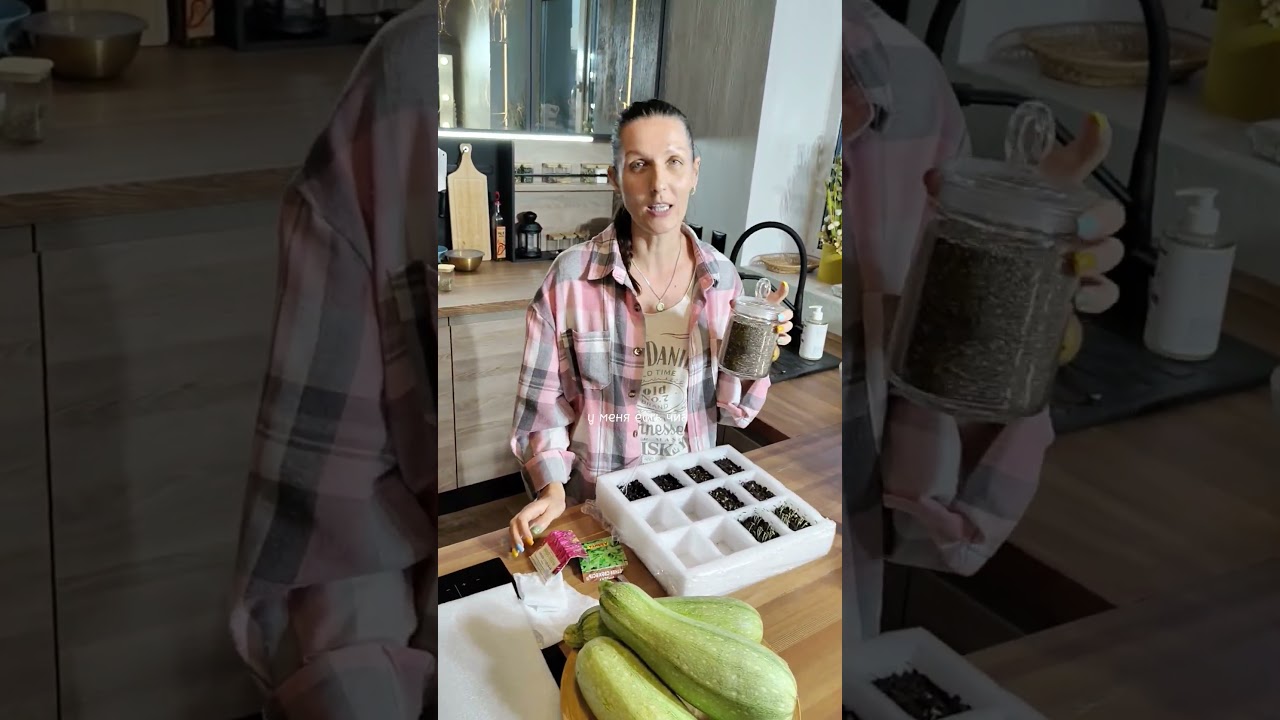
Twelve jars from my cupboard turned out to be perfect garden beds: I’m showing a life hack for growing microgreens at home almost for free — a jar doesn’t let water through, a lid on top creates a greenhouse, and a week later your own superfood is standing on the windowsill. Hi, it’s Mila again, and today I’ll share a secret with you, step by step: which crops I plant, how I grow chia with no soil at all and why it’s cheaper than the store.
My experience: jars as greenhouses
There are no exact proportions here — it’s a life hack, not a recipe. Here’s what I do in the video:
- I collect glass jars — I had 12 of them lying around, and they “fit perfectly” for microgreens and for greens in general;
- I use the glass as a mini-greenhouse: the jar doesn’t let water through, and the lid on top covers the sowing — the seeds are warm under it;
- I plant table beetroot — I consider the sprouts of this root vegetable incredibly healthy;
- I grow chia with no soil at all: on a damp cloth laid in the jar — in a week there will be sprouts;
- I note that the basil grew dark and green, and “in a week it never used to grow like this for us”;
- I bought extra arugula and keep thyme on the windowsill.
My final argument: microgreens in the store “cost a fortune,” while chia at home costs pennies and everyone has it. In winter on the windowsill — a superfood and fragrant basil instead of store-bought bunches.
Why it works
Microgreens are young sprouts of vegetable and herb crops, cut a few days after they come up. It’s at this early age that greens are considered concentrated in vitamins and minerals, which is why they’re called a home superfood: a plate of sprouts in winter replaces “store-bought freshness,” which travels a long way to the table and isn’t always cheap. I’m pointing at the store price — and that’s the most honest motivation: your own microgreens cost pennies.
A jar as a greenhouse is classic sprouting mechanics. Glass holds moisture and warmth, the lid keeps the water from evaporating, and the seeds don’t dry out at the first, most vulnerable stage. After the sprouts appear, the greenhouse is opened a little: the sprouts need light and air. Chia in this scheme is a separate life hack: its seeds have enough of their own coat, which turns into gel when wet, so soil isn’t needed — a damp cloth is enough.
And about basil: herbs on the windowsill are not only about food. The smell of fresh basil in the kitchen works like everyday aromatherapy: it smells like summer when it’s gray outside the window. A full breakdown of a similar sprouting experience — in my article how to sprout fenugreek at home: the principle is the same, only the crop changes.
How to fit it into life
- Go through your cupboards: jars from baby food, sauces and jam are already made garden beds.
- On the bottom — a damp cloth or a little substrate, on top — seeds in a thin layer.
- Cover with a lid until they sprout, then open it a little: the sprouts need light.
- Water a little every day — glass barely evaporates moisture, and overwatering is worse than underwatering.
- Cut the sprouts with scissors right before eating: into salads, onto sandwiches, with any side dish.
Warnings
- Cleanliness is the main risk in sprouting. Wash the jars with hot water, change the cloth for a fresh one: a warm, damp environment is loved by mold too.
- Seeds — food grade only. Planting material treated for garden beds is no good for microgreens.
- Don’t mix crops in one jar. Chia and basil have different timelines and modes — it’s easier to keep separate jars.
- Try it gradually. Beetroot sprouts and herbs have a pronounced taste: start with a small portion, especially if you’re sensitive to fresh greens.
There’s one more effect the jars on the windowsill have: it’s a small point of growth in the literal sense. Every morning — a couple of minutes of watering and a look: has it grown a bit, have the little leaves straightened up. The body gets fresh greens with every meal, and the mood gets the habit of seeing the result of your actions in a week, not in years. It’s on such a simple experience that faith in big undertakings rests.
Fresh sprouts go well with other “raw” recipes — for example, with the vitamin salad of raw beetroot: in both, root vegetables and greens are at the base.
Find your jars, plant the first batch and tell in the comments what came up for you after a week. Save this life hack for yourself — I collect your reports from the windowsills and rejoice at every new bed.



