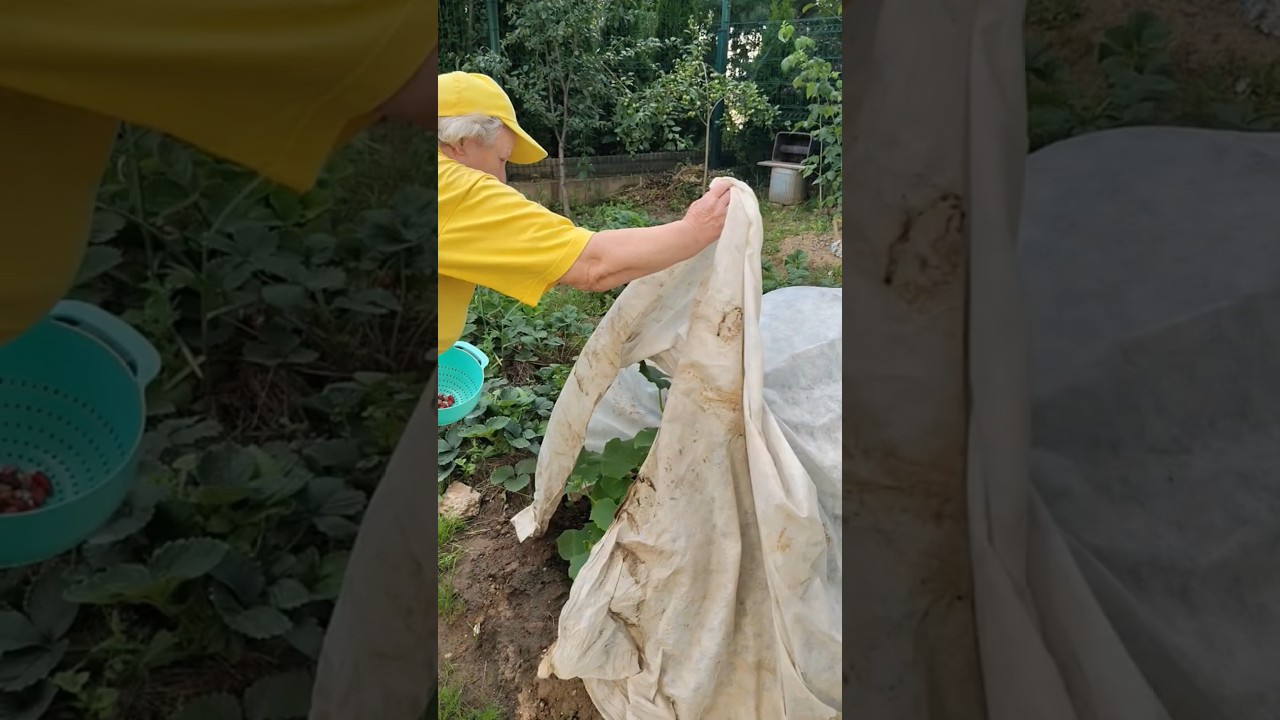
Welcome to my video blog, I’m Mila, and today I’ll tell you how simple comments can warm better than any gift. “The garden is everything” — that’s what I called my video, and the main thing in it isn’t even the beds but the warm words. You wrote so many kind comments addressed to Valentina Semyonovna — a pensioner who’s used to “everyone being busy with something” — that we read them together. “You’re so attentive, you could say you took care of us, grown-up pensioners. Thank you so much, it was very nice to hear that,” she passed along. I’ll break down why simple comments warm so much and how to support your loved ones so that it’s heard.
The situation from the video: warm words reached their address
- I passed your reactions to the garden videos on to Valentina Semyonovna — and told her “so many people wrote you so much good, so many thanks.”
- Valentina Semyonovna thanked you in return: “You’re so attentive, you could say you took care of us, grown-up pensioners — we try, everyone is busy, we’re used to work.”
- We read the comments together — and we promise to read more: “because you’re still writing.”
- Valentina Semyonovna says that for a real garden the family needs a greenhouse — “and what we have now is a bit of a joke.”
- I promise to show more of the garden: “Whoever loves the garden — we’ll show you” — and I invite you to share tips “on how to improve it and make it easier for Valentina Semyonovna.”
Why this resonates
What works here is the simple psychology of recognition. A person who’s used to work — “we try, everyone is busy” — rarely hears “thank you” out loud: housework and garden work are invisible, they’re not discussed in reports and not awarded. When strangers write concrete gratitude, something important happens: the work becomes visible, and the person becomes seen. For older people this is especially valuable: after retirement the feeling of “I mean something” often leaves, and warm words return it better than any reminders to rest.
And there’s a second, quiet side to the video: the request for advice. When you ask “how to improve it, to make it easier,” that’s also a form of respect — it means your knowledge is needed by someone. That’s how the community around my videos turns from an “audience” into participants of one story: some give thanks, others share experience, others get the strength to keep going.
What to do: how to support your people
- Give thanks concretely: not “good job in general,” but “these apples are the best thing I’ve tasted this year.”
- Read warm messages aloud together — like Valentina Semyonovna and I did: hearing praise in a voice matters more than noticing a like.
- Ask older people for advice in the area where they’re strong: that’s a direct acknowledgment of their experience.
- Help with the work where it’s already hard for a person: a greenhouse, watering, tools — not in exchange for anything, just because.
- Come back to the topic: “we’ll read more, because you’re still writing” — continuing care is worth more than a one-off gesture.
Things to be careful about
- Support shouldn’t sound like pity: talk to an older person as to a master of their craft, not as to someone “helpless.”
- Don’t turn help into control: “let me do it” and “let’s do it together” are completely different things.
- Dose the garden work: hot hours and lifting weights hit health most often.
- And don’t wait for a perfect moment to say something warm: it works today, not “someday later.”
The garden in this video is just an occasion: the main thing in it is how strangers warmed two working women with simple words. Being seen is a need at any age, and about how a sense of your own worth is formed, I wrote in a separate piece on working with self-worth.
Write in the comments who among your loved ones has long deserved a “thank you, I see it.” I read every response — and, believe me, your warm words reach their destination )