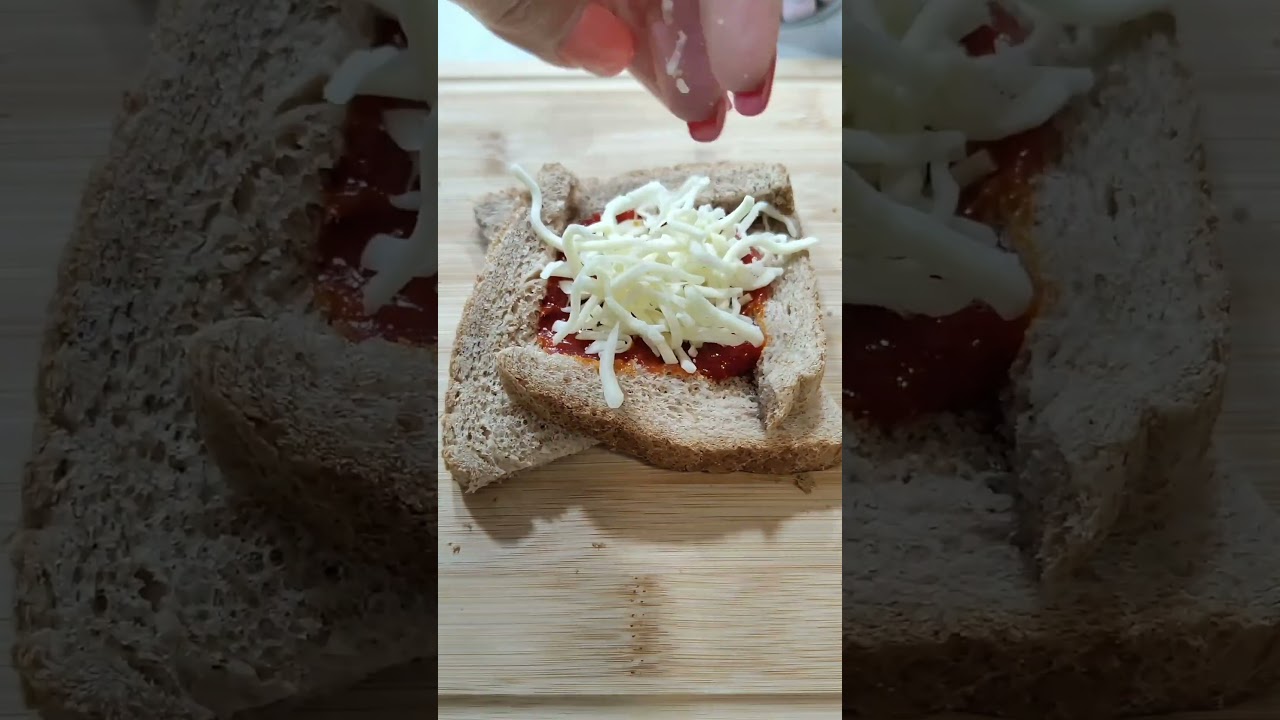
“Life is a small kitchen in which we cook the dish called happiness” — these words of the famous chef Paul Bocuse I place at the center of a short video, “When there are only three ingredients at home.” Hi, it’s Mila again, and today I’ll tell you why this metaphor works so well and what to do when it seems there aren’t enough ingredients for happiness. The clip isn’t a complaint — it’s an invitation to look differently.
The situation: three ingredients and one big question
Everyone knows this state: three things in the fridge, energy for one and a half. Some people at that moment close the kitchen door and order delivery. I turn the scene the other way: Bocuse’s quote reminds us that “in this kitchen we are our own chefs, and only we decide” which ingredients to add to our life.
That’s the whole trick: happiness rarely comes together from a rich set. More often it’s assembled from what’s at hand — like a dinner out of three products. I show this both literally and metaphorically: a short video, minimum of means, maximum of meaning. A small kitchen is not a punishment but a starting condition.
Why this resonates
The kitchen metaphor takes the pathos out of the subject of happiness. In a kitchen nobody reasons about the meaning of life — they just chop, salt, taste and fix. Over-salted — you diluted it. Not enough oil — you figured it out. It’s an honest model of life: happiness is not a state you find but a dish you cook with your hands out of what there is today.
The second layer is responsibility. The phrase “we are our own chefs” sounds soft, but hidden in it is a freedom we want to wave away: it means it’s not fate deciding, but us. Psychology has long noticed that people who feel a choice cope with limits more easily — not because life is easier for them, but because they’re in the position of a cook, not a waiter who was brought the wrong dish.
And the third layer is about the taste of limits. Three ingredients are a creative task, not poverty: it’s exactly the frame that makes you try unexpected combinations. It’s the same in life — limits sometimes roll the most interesting thing onto the table.
What to do: a recipe for happiness from three ingredients
- Name your “three ingredients” — what you really have right now: time, health, a close person, work you love.
- Put together a minimal “dish” for today from them: a walk, a call to your mom, dinner in the kitchen by candlelight.
- Don’t compare your kitchen with someone else’s serving: in other people’s “restaurants” they also cook from what they bought.
- Add one new “product” a week — one small change alters the taste of the whole “pot.”
- Taste and fix: an over-salted day is not a verdict, tomorrow we cook again.
Cautions
- The metaphor is not a replacement for help: if apathy lasts for weeks, that’s a reason to talk to a specialist, not to “cook happiness” alone.
- Don’t turn “happiness from simple things” into forcing yourself to settle for little — wanting more is legitimate.
- And don’t compare your weak spots with other people’s strong ones: everyone has their own kitchen and their own products.
Body and state
Notice: I talk about happiness through the kitchen, not through achievements — the body here is a participant, not a background. Taste, smell, the warmth of the stove — all of it is anchors that bring you back into the present moment. About how to build the inner support of “I am the author of my life,” I wrote in the piece on work with self-worth, and simple food can also be turned into a ritual of care — an example is the vitamin salad with raw beetroot.
Watch my short video — and write in the comments which three ingredients are on your “kitchen of happiness” right now. I’m interested in what everyone has “in the fridge” today )