


Cold season is starting, and we often reach for a pill right away — though ordinary foods and spices can also support the body. Hi, I’m Mila, and today I’ll share six natural combinations worth adding to your collection. We’ll go through each one by ingredient: what’s working in it and how to use it in an ordinary kitchen, without pharmacy shelves and complicated recipes.
Six combinations from my video
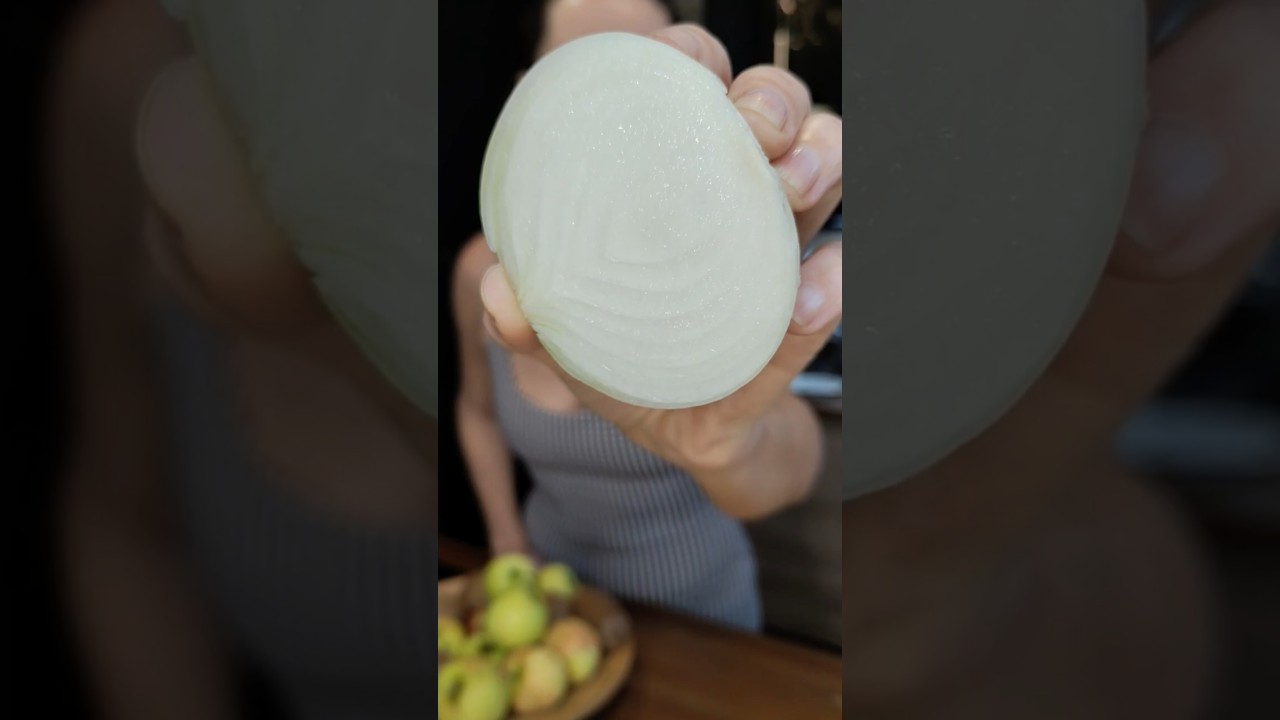
- Onion plus salt. Onions contain antioxidants and sulfur compounds; use them in salads and home dishes, and add salt in moderation.
- Garlic plus mint. Garlic has biologically active compounds, and mint freshens breath and may help with mild discomfort after eating.
- Ginger plus honey. Ginger may help with nausea, and honey can ease a cough during a cold; together it’s a classic for a warm drink.
- Turmeric plus black pepper. Turmeric contains curcumin with antioxidant properties, and piperine from black pepper helps improve its absorption.
- Clove. It contains eugenol, a compound with antioxidant properties; add a little ground clove to tea or dishes.
- Lemon plus lime. Sources of vitamin C, which supports normal immune system function and helps the body absorb iron from plant foods.
Why it works
The general principle is not a replacement for medicine, but support. And that’s exactly why all the wording in the list is soft: “may help,” “can ease” — supporting the body allows for honest degrees of certainty, and I keep them carefully. Antioxidant compounds — curcumin, eugenol, the sulfur substances from onion and garlic — are traditionally used in nutrition as “helpers” during seasons of strain. The pair “turmeric and pepper” is a textbook example of how spices reinforce each other: piperine improves curcumin absorption. Vitamin C from citrus supports the immune system, and honey is being studied as something that can ease a cough during a cold — that’s exactly the sense in which I mention it.
Notice how the pairs work in the list: they almost always reinforce each other. Pepper opens up curcumin, vitamin C from citrus helps absorb iron from plant food, and mint next to garlic is about comfort, so that the useful is also pleasant. This is the general principle of seasonal cooking: combinations are more valuable than lone “superfoods.”
How to fit it into life
- In the evening, a warm drink with ginger and honey: simple, quick and in season.
- Add a pinch of turmeric and a pinch of black pepper together to soup or stew.
- Let onion be in salads and hot dishes daily, without over-salting.
- Clove goes into tea, compote or a marinade: a few buds change the taste of the whole drink.
- Lemon and lime go into water, tea and salad dressings, especially with grains and legumes: iron from them is absorbed better that way.
- Put together a “seasonal shelf”: honey, turmeric, clove and lemons in one place — and a warm drink comes together in a minute.
And don’t chase all six at once: the season is long, and spices don’t spoil. Start with the simplest thing for you — a warm drink with ginger and honey — and the rest will follow. Support works cumulatively.
Precautions
- Natural foods don’t replace treatment: with illness, the plan is prescribed by a doctor.
- Spices and honey are common allergens: try new combinations a little at a time.
- Honey is not given to children under a year old.
- Ginger and citrus can irritate the stomach with gastritis and heartburn — eat them after meals, not on an empty stomach.
- The benefit depends on the amount and the overall diet: a pinch of spices is support, not treatment.
- Garlic and onion on an empty stomach aren’t tolerated by everyone: with gastritis and reflux, eat them as part of dishes.
The idea of “supporting the body from the plate” continues nicely in my other recipes: take a look at vegetable seasoning for winter — just right for cold season, when vitamins should be on hand.
Save the list so you don’t lose it, and share it with someone who might need it. And which natural helpers live in your kitchen? Tell me in the comments — we’ll put together a shared seasonal shelf.



